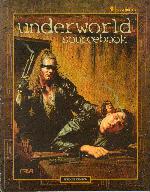
The
Underworld Sourcebook, originally to be done by the late
Nigel Findley was picked up masterfully by Stephen Kenson, writer of
several of FASA's recent
Shadowrun releases. The book itself
is rather sparse on art (and some of it is substandard for a FASA
release, but this is more than made up for with the sheer amount of
information included.
The Underworld Sourcebook is made up of three major
sections. The first is a basic primer on the mechanics of different
crimes in general, including everything from computer crime to
smuggling and even a lesson on money laundering and organlegging.
The second is a in-depth discussion on each member of "The Big Four"
of crime: the Mafia, Yakuza, Triads, and Seoulpa Rings. The third
is a nice little piece on the so-called Other Operations (gangs,
policlubs and cults) that also skirt the edge of legality.
The crime list is a very good reference for GMs to expand on their
descriptions when the PCs go to a fixer or a fence or get involved in
a kidnapping.
The description of each of the syndicates is very lengthy and
includes the history of each group, their organizational structure,
their traditions, their major rackets (how they make their dough) and
their recruiting practices. This is a wealth of information for the
GM, allowing him/her to create a game campaign including multiple
crime organizations with their own individual feel. Each group is
very unique and this book gives a good feel for their differences
(i.e., why the Yakuza isn't just a Japanese Mafia and why the Seoulpa
Rings would frag over their own mothers to take down the Yakuza).
Mainly a GM resource, this book is chock-full of information on
how to run a game involving organized crime syndicates (usually as
foils against the players) but can be used to give players a good
grounding in organized crime theory. Not very useful for players
(except as reading material), but GMs should pick up a copy.
Style: 4 (Classy and well done)
Substance: 5 (Excellent!)